Hale Lane and Burnt Oak Removals parking and access: a practical guide for smoother moving days
If you are planning a move around Burnt Oak, Hale Lane and the surrounding streets, parking and access can make the whole job feel either straightforward or painfully fiddly. The van might only need a few extra metres, but those metres matter. A safe loading point, enough turning space, and a clear route to the front door can save time, reduce lifting, and help avoid the sort of last-minute stress that has everyone standing on the pavement with a sofa and a slightly worried expression.
This guide explains Hale Lane and Burnt Oak Removals parking and access in plain English. You will find out why access planning matters, how it usually works on the day, what to check before moving, and which mistakes tend to cause delays. It is written for anyone arranging a house move, a flat clear-out, or a commercial relocation where parking is tight and the kerb space is not exactly generous.
Contents
- Why parking and access matter
- How parking and access works on moving day
- Key benefits and practical advantages
- Who this is for and when it makes sense
- Step-by-step guidance
- Expert tips for better results
- Common mistakes to avoid
- Tools, resources and recommendations
- Law, compliance, standards and best practice
- Options, methods and comparison
- Case study or real-world example
- Practical checklist
- Conclusion
- Frequently asked questions
Why Hale Lane and Burnt Oak Removals parking and access Matters
Access is one of those things people often only notice when it goes wrong. In a busy local move, the distance between the van and the property can affect everything: how long loading takes, how much carrying is needed, whether bulky items can be moved safely, and whether the move starts calmly or with a bit of faff before 8 a.m.
On roads like Hale Lane and in the wider Burnt Oak area, parking can be tight, traffic can come and go in waves, and kerbside space may already be occupied by residents, tradespeople, or delivery vehicles. That means a van may not always be able to sit directly outside the property. Sometimes it is simple enough. Other times it takes a quick rethink, a shorter loading bay, or a better arrival time.
Why does this matter so much? Because removals are rarely just about transportation. They are about safe handling, timing, and keeping the route from door to vehicle as short and predictable as possible. If access is poor, the risk of delays and strain increases. If access is planned well, the entire move often feels lighter, even if the actual furniture is still gloriously heavy.
Expert summary: Good parking and access planning is not a luxury in Burnt Oak moves. It is part of the move itself. Get it right and you reduce stress, protect your belongings, and make the team far more efficient.
For people booking a man with van service or a larger vehicle such as a moving truck, the access picture becomes even more important. A smaller van may fit into tighter spaces, while larger vehicles may need more room to position safely. That is not a problem in itself, but it does need thought.
How Hale Lane and Burnt Oak Removals parking and access Works
In practice, parking and access planning is a mixture of local knowledge, timing, and common sense. A removal team will usually want to understand three things before the move begins: where the vehicle can stop, how far items must be carried, and whether there are any obstacles such as stairs, narrow hallways, steep kerbs, gates, or controlled parking areas.
The process often starts before moving day. A good team will ask for details about the property type, road layout, and any restrictions. You might be asked whether there is off-street parking, whether a loading space exists, or whether the street is usually busy at certain times. Truth be told, those questions save more time than most people expect.
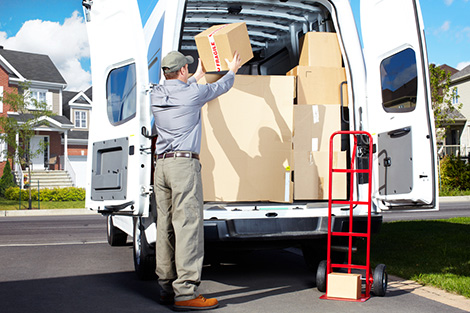
Once on site, the driver will usually look for the closest safe and legal stopping point. If the front of the property is blocked, the van may have to park a little further away. That is not ideal, but it is manageable if everyone knows the plan. A short walk with a trolley is often better than trying to squeeze into a space that is too small or too risky.
Access can also mean how easily items move through the property. A ground-floor flat with a wide entrance is very different from a first-floor maisonette with a narrow staircase and a sharp turn halfway up. The same applies to office moves where shared entrances, lifts, or service corridors can affect timing.
If your move includes furniture dismantling, appliance handling, or specialist disposal, the access picture becomes broader still. For example, moving a large fridge or sofa is often easier when the route is already measured out and free from clutter. Services such as fridge and appliance removal or mattress and sofa disposal are much smoother when the collection point is easy to reach.
Small detail, big difference.
Key Benefits and Practical Advantages
Good parking and access planning is not just about convenience. It changes the whole pace of the job. You will notice it in fewer pauses, less heavy carrying, and fewer awkward moments where the team has to stop and improvise.
- Shorter loading times: A van that can park close to the property means less walking and faster loading.
- Less physical strain: Fewer steps with heavy items reduces the risk of knocks, drops, and tired lifting.
- Better timing: Well-planned access helps the move stay on schedule, especially where road space is limited.
- Improved safety: Clear routes, fewer obstacles, and sensible vehicle positioning reduce the chance of mishaps.
- Lower stress: A calmer start usually means a calmer finish. Funny how that works.
There is also a commercial benefit. For office relocations or business deliveries, access planning helps protect stock, equipment, and staff time. A team handling a office relocation or commercial move needs efficient vehicle positioning so the move does not turn into a long parade from pavement to reception.
One of the quieter advantages is customer confidence. When clients see that parking has been thought through, they feel reassured. It signals organisation. It says, without saying it, that the move is being handled by people who have done this before and know the area is not always simple.
Who This Is For and When It Makes Sense
This topic matters to a wide range of people, not just those moving a whole house. If parking near the property is awkward, then access planning is worth doing even for a single-item job.
It is especially useful for:
- households moving in or out of flats, terraced homes, or maisonettes;
- people using a man and van for smaller loads;
- families with bulky furniture, awkward staircases, or no driveway;
- businesses relocating stock, desks, filing cabinets, or IT equipment;
- landlords and agents arranging clearance or end-of-tenancy removals;
- anyone booking disposal services for large or hard-to-carry items.
It makes sense whenever the move involves one or more of the following: busy street parking, a controlled parking zone, a narrow entrance, shared access with neighbours, or a loading bay that may not be available all day. If any of that sounds familiar, you are in the right place.
For home movers, planning also ties into the wider service you may need. Some people want full support and booking flexibility through home moves, while others prefer help with packing, loading, or transport only. Both can work well. The trick is matching the service to the actual access conditions, not the idealised version in your head on a Sunday afternoon.
Step-by-Step Guidance
Here is a practical way to think about parking and access for a Burnt Oak move.
- Check the property layout. Look at the entrance, any steps, the width of the hallway, and whether there are sharp turns inside.
- Measure the obvious bottlenecks. Doorways, staircases, lift dimensions, and any gate openings are worth checking before the van arrives.
- Think about the street. Can a van stop nearby? Is there likely to be morning congestion? Is the road narrow enough to make reversing awkward?
- Identify the safest loading point. Sometimes the best option is not the closest door, but the one that gives the cleanest route and least obstruction.
- Share the details early. Tell the moving team about restrictions, parking permits, or anything unusual well before the job begins.
- Prepare the route inside the property. Move loose items, rugs, and obstacles out of the way so people are not navigating a maze of shoes and coat stands.
- Keep a fallback plan. If the front space is taken, decide in advance where the van can legally stop instead.
A real-world example: if the street outside your property is busy at school-run time, an arrival ten or fifteen minutes earlier can make the difference between a clean load and a frustrating wait. Not glamorous, but very effective. And yes, those little time adjustments often matter more than people expect.
If you are arranging a bigger load, a removal truck hire option can be worth discussing because vehicle size, turning circle, and load access all need to work together. Bigger is not automatically better. Sometimes it is just... bigger.
Expert Tips for Better Results
After enough local moves, a few patterns stand out.
First, do not leave parking to chance. A quick assumption of "we should be fine" is the classic way to create unnecessary friction. If there is no driveway or obvious loading bay, treat parking as a planning task, not an afterthought.
Second, tell the moving team about awkward access honestly. People sometimes underplay narrow stairwells or difficult corners because they do not want to sound like they are making a fuss. But that tends to backfire. If the sofa has to be rotated at a strange angle to clear the hallway, say so. It helps everyone.
Third, clear the front path before the van arrives. Bikes, plant pots, recycling bins, and shoe racks all become obstacles when people are carrying bulky items. Removing them sounds obvious, but on moving day obvious things have a habit of being missed. Happens all the time.
Fourth, think about timing in the local area. In busy parts of Burnt Oak, the best access window may be earlier in the day or slightly outside peak traffic. A quiet street at 7:30 a.m. can be a very different beast from the same street at lunchtime.
Fifth, be realistic about vehicle choice. Smaller vans can be easier where parking is limited, while larger vehicles may be more efficient for heavier or bulkier moves. The best option is the one that fits the access conditions, not just the one that sounds most impressive.
And one more thing: if you are combining transport with sorting out unwanted items, use services that align with the task. For example, furniture pick up is handy when you need items removed from a property with limited space but still want the job handled neatly and efficiently.
Common Mistakes to Avoid
Most access problems are avoidable. They usually come from rushing, guessing, or not asking the boring questions early enough. The boring questions are often the important ones, annoyingly.
- Assuming the van can park directly outside: This is the biggest one. Street space is not guaranteed.
- Forgetting about height or width restrictions: A vehicle that fits in the street may still struggle around bends, posts, or tight entrances.
- Ignoring shared access rules: Flat blocks, communal driveways, and business premises can have practical restrictions even when space looks available.
- Not checking internal access: The route inside can be just as important as the street outside.
- Leaving packing too late: Unprepared rooms make access slower because the team has to work around clutter.
- Failing to mention heavy or awkward items: Specialist handling might be needed for appliances, large wardrobes, or awkward furniture.
There is also a common mismatch between what people think is "easy access" and what the moving team will actually face. A property may be ground floor, but if the front entrance is five metres down a narrow path, through a gate that barely opens fully, that still matters. A lot.
If the move includes waste removal or bulky disposal, not checking what can be carried safely can create delays. It may be worth reviewing the type of items you want removed before the day, and if relevant, reading about what can go in a skip so you are not left guessing.
Tools, Resources and Recommendations
You do not need fancy equipment to plan access well. A tape measure, a phone camera, and a bit of honest observation can go a long way.
Useful things to have ready include:
- a quick photo of the street outside the property;
- approximate measurements of doorways, staircases, and large items;
- details of any parking restrictions or permit requirements you already know about;
- a list of items that are awkward, fragile, or especially heavy;
- access notes for flats, offices, or shared buildings;
- contact details for the person who can make decisions on the day.
For people who want to move or clear items with more structure, related services such as packing and unpacking services can reduce the amount of chaos in hallways and loading areas. It sounds minor, but a well-packed room is much easier to move through than one full of loose bags, small boxes, and that one chair that always ends up in the way.
For office clients, keeping access notes alongside the move plan helps avoid confusion over building entry, lift bookings, and loading restrictions. If the job is commercial, it can also help to review office relocation services alongside the parking plan so the logistics stay joined up.
Law, Compliance, Standards, or Best Practice
Parking and access for removals in the UK is not just a logistics issue; it can also touch on local parking restrictions, traffic rules, and health and safety responsibilities. The exact rules will depend on the road, the property, and any local restrictions in force. Because of that, it is best to treat compliance as a site-specific matter rather than something to guess from memory.
In practical terms, best practice usually means:
- parking legally and without blocking access for neighbours or emergency vehicles;
- using safe lifting methods and keeping walkways clear;
- taking care on stairs, kerbs, and uneven ground;
- avoiding unnecessary idling or unsafe stopping positions;
- communicating clearly about hazards before lifting begins.
For some jobs, especially where heavy furniture or appliances are involved, a team should also consider whether the item needs special handling. That can include disconnecting appliances safely, protecting floors and walls, and choosing the right vehicle size. If you want more reassurance around how items are handled, it is sensible to look at a provider's approach to health and safety policy and insurance and safety.
Where disposal is part of the job, compliance may also involve using the right route for electricals, upholstered items, or waste that cannot simply be left anywhere. If you are dealing with appliances, it may help to review fridge and appliance removal before the day arrives.
Options, Methods, or Comparison Table
Different access situations call for different approaches. Here is a simple comparison that may help you judge what is likely to work best.
| Access situation | Likely approach | Pros | Things to watch |
|---|---|---|---|
| Off-street driveway or forecourt | Park close and load directly | Fast, simple, less carrying | Check turning room and surface condition |
| Busy residential road | Use the nearest legal space and manage a short carry | Flexible and often realistic | May need extra time and a clearer route |
| Flat with narrow stairs | Plan item-by-item handling and protect touchpoints | Reduces damage risk | Large furniture may need dismantling |
| Commercial site with loading area | Coordinate arrival and access windows | Efficient and orderly | Shared use may create waiting time |
| Restricted or permit-controlled street | Confirm legal stopping options before the job | Prevents surprises | Parking rules can change by time of day |
If you are unsure which method suits your situation, the safest answer is usually the one that reduces carrying distance without creating a parking issue. Simple, but not always obvious in the moment.
Case Study or Real-World Example
A typical Burnt Oak scenario might look like this. A family is moving from a first-floor flat off Hale Lane into a house a few streets away. The flat has no driveway, the road is busy, and the stairwell is narrow enough that a wardrobe cannot simply be swung around casually. Not ideal, but manageable.
Before moving day, the family sends over a couple of photos of the entrance and stairwell, along with details about parking. The moving team decides a smaller vehicle is the better fit because it can position more easily in the street. The family also clears the hallway, removes loose items from the stairs, and makes sure the front path is free.
On the day, the van cannot stop directly outside the front door for the whole load, so it parks a short distance away in a legal space. That means a little more carrying, but the route is clear and the move stays orderly. One wardrobe is dismantled in advance, which saves a lot of grunting later. To be fair, everyone prefers that.
The result is not perfect in a magical sense, because real streets never are. But it is smooth, safe, and on time. That is usually what people want most. Not drama. Not cleverness. Just a move that gets done properly.
Practical Checklist
Use this before the van arrives.
- Confirm where the vehicle can legally stop.
- Check for permit, loading, or time-based parking restrictions.
- Measure doorways, stairs, and any tight corners.
- Identify bulky items and say which ones may need dismantling.
- Clear the entrance, hall, and pathway of clutter.
- Keep bins, bikes, and plants out of the loading route.
- Tell the moving team about access codes, lifts, or gate locks.
- Share photos if the layout is awkward or the street is hard to read.
- Decide who will meet the vehicle on arrival.
- Have a backup parking plan if the closest space is taken.
For larger jobs, it can also help to review the wider service picture and pricing details before confirming the move. A quick look at pricing and quotes can make planning easier, especially if access conditions may affect the time needed.
Get a free quote today and see how much you can save.
Conclusion
Hale Lane and Burnt Oak removals parking and access is not the glamorous part of moving, but it is one of the parts that decides whether the day feels controlled or chaotic. Get the parking right, think through the route into the property, and share the awkward details early. That small bit of preparation often removes a surprising amount of pressure.
If there is one takeaway, it is this: access planning is a practical skill, not a nice extra. It helps protect your belongings, keeps the team efficient, and makes the whole move feel more manageable. And when you are already juggling keys, boxes, and timing, that is a real gift.
When you are ready to organise your move, choose the option that fits your street, your building, and your load. The smoother the access plan, the smoother everything else tends to follow. One quiet, well-planned move beats a frantic one every time.
Frequently Asked Questions
What does Hale Lane and Burnt Oak removals parking and access actually mean?
It refers to how a removal vehicle parks near your property and how easily items can be carried between the van and the building. It includes street parking, loading space, door access, stairs, and any restrictions that affect the move.
Why is parking so important for removals in Burnt Oak?
Because parking affects how far items must be carried, how quickly the van can be loaded, and how safely the move can be completed. Tight street space often means access planning is just as important as the transport itself.
Should I reserve parking for moving day?
That depends on the location and the local rules. In some cases, you may need to plan for a legal loading space or an alternative stopping point. It is best to check early rather than assume space will be free.
What if the van cannot park directly outside my property?
That is common in busy streets. The move can still go ahead if there is a nearby safe and legal space. The team may simply need to carry items a little further, which is why access details matter before the day.
How do I know if my property has difficult access?
Look for narrow hallways, sharp stair turns, steep steps, shared entrances, awkward gates, or limited street parking. If you have to think twice about whether a sofa will fit, that is usually a sign to flag it early.
Do smaller vans help with access problems?
Often, yes. A smaller van can be easier to position on narrow roads or where parking is restricted. That said, the best vehicle depends on the load as well as the street layout, so size is only one part of the decision.
What information should I give the moving team before arrival?
Share the property type, parking situation, any permit or loading restrictions, access codes, lift details, stair access, and anything bulky or fragile. A few photos can help too. They save a lot of guesswork.
Are stairs a problem for removals?
Not necessarily, but stairs do affect timing and handling. A narrow or steep staircase may mean the team needs more care, more space, or occasional dismantling of furniture. It is better to mention this early rather than on the doorstep.
Can access issues affect the cost of a move?
They can affect the time required and the type of vehicle or team needed, which may influence the quote. Exact pricing depends on the job, but awkward access usually means it is wise to give full details upfront.
What should I do on the day to make access easier?
Clear the route, move loose items out of the way, keep the front area tidy, and make sure someone is available to guide the van if needed. A little organisation at the start can save a lot of effort later.
Does access planning matter for office moves too?
Very much so. Offices often involve shared entrances, lifts, loading bays, and scheduled time windows. Planning parking and access carefully helps protect equipment and keeps disruption to staff and customers down.
Where can I find more information about services and booking?
You can review service details such as man with van, home moves, and book online to see which option best fits your move and access conditions.